Evaluating Access Before Your Hunting Trip
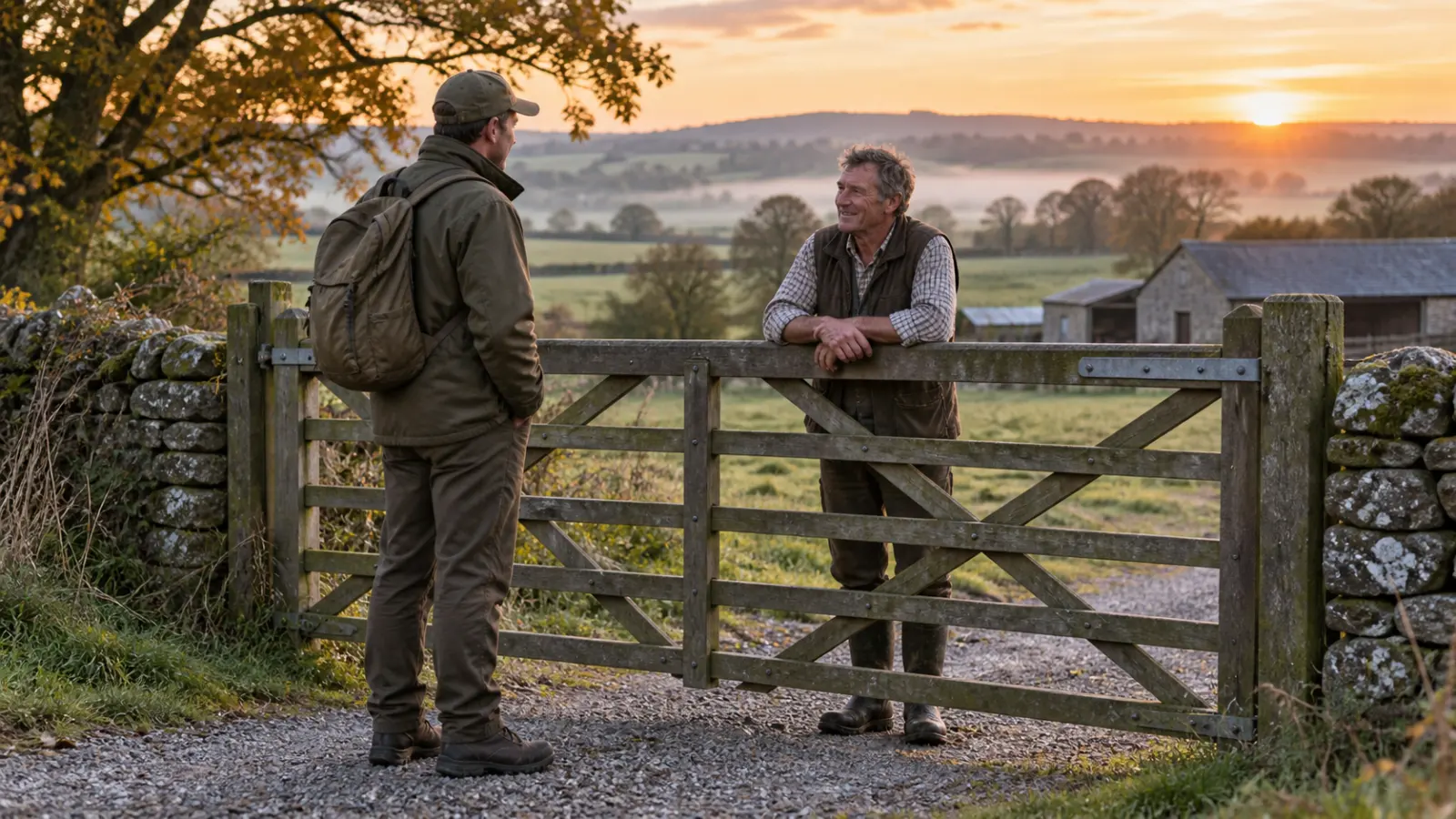
When getting ready, for a hunting trip the planning part is very important.. It starts before you even pack your gear. It's at the gate where your plans can go wrong. Differences in permission from what's shown on maps can cause problems, including getting in trouble for entering without permission or making quick decisions when it gets dark. To avoid any issues careful preparation should include checking access permissions making sure you know which areas you can hunt and where you need to stop if the land doesn't match what you expected.
Access Permissions: More Than a Memory
Permissions can change. They are not always the same. Its important to get the information every time. Ownership of land can change, rules about when you can enter can change or new roads can be closed since your visit. Just because you had permission year doesn't mean you still have it. Always think of these details as new. Check the rules.
You should write down each permission request clearly: say the number of the area name the person you spoke with and explain the dates and ways to get in. Include any rules about vehicles, people who come with you or taking things back. If your permission is given by speaking write it down away. Send a message confirming the details. This is not for paperwork; it helps when you are trying to figure out where you are if a gate is locked or if a path is unclear.
Also if someone gives you answers about places to enter like saying "the woods " ask more questions. Get places like near a stream or in a field. Being clear is important especially when things are not easy.
Offline Mapping: The Smart Approach
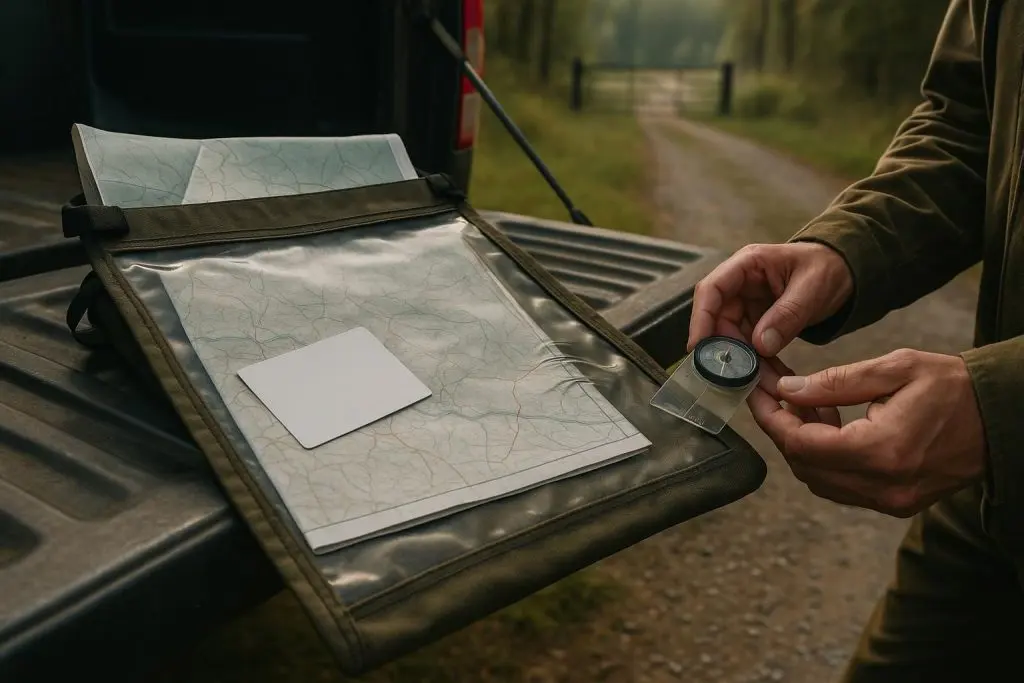
Even though digital maps are helpful they are not always correct. Before you go check sources. Your notes about the land and any public information. Watch for things that might show restrictions, like areas, parts of land that are owned by others or places where properties meet.
To avoid depending on a phone that might not have a signal download maps to use without the internet. Mark places that can help you find your way, like where roads cross, corners of fences or named rivers. A paper copy or notes written by hand can be helpful in places where the phone signal's bad or the weather is not good.
When you reach the entrance take a moment to check the land against your plan. Look for signs that things have changed. Locks, recent signs, barriers or unfamiliar cars can all show that your access may not be the same as before. If you see signs that don't match be careful. Call the person who owns the land or manages it and think about a way or wait until another time if needed.
Staying Informed on Regulations
Keeping up with hunting rules is not something you do once; it's something you do all the time. Rules about when you can hunt how long you can hunt, what animals you can hunt, how to mark your catch and how to do it can change in places. Changes can happen without warning. Its good to check the recent rules before you go out.
Make it a habit to look for any changes or updates about the area where you are going to hunt. Carry the papers with you; don't think a digital copy will work everywhere. If rules are not clear ask the group for help. Don't just trust what a friend says.
Understanding rules is not about papers; it affects your choices when you are hunting. For example if you find that the time you can hunt ends before you can safely get your catch it might be better to not take a shot. Have a plan for giving reports or tags as possible especially if you are in an area where you can't connect. A hunting plan that ignores these things is not good no matter how good the access is.
Distinguishing Good Access from Sound Choices
Not every place you can get into is the best for your hunting plan. Recent changes in the land animals that're around wet places or busy paths can make a hunt harder. Taking care of the land starts with being honest about whether the conditions allow for an right result.
Before you choose a spot think about places to shoot where the bullet will stop, other hunters and the way to get your catch back that stays within the rules. Don't try to go into places that're special just because you see signs of animals. Putting pressure on areas like places where animals have babies or important water areas can hurt animals and could make it harder to hunt there again even if there are no specific rules against it.
Sometimes the best thing to do is change places. Even stop hunting. These choices are not failures; they help protect the land, the animals and the chances to hunt in the future.
Your Final Checklist for Departure
When the time comes to go on your hunting trip have a list to make sure nothing is missed:
1. Permission: Check the area the dates, the people you spoke with and the ways to get in.
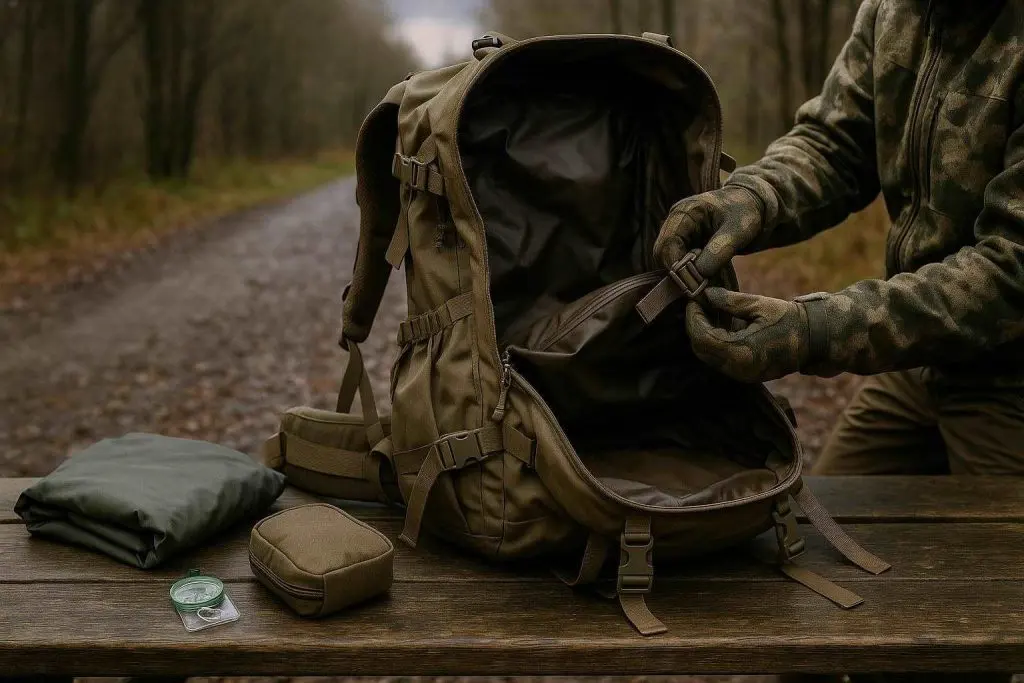
2. Mapping: Look at the map. Make sure you have a copy you can use without the internet noting any places that are not clear.
3. Regulations: Make sure all the rules are correct. When you can hunt, how long what you can hunt, the papers you need and how to mark your catch. Using the information.
4. Environmental Conditions: Check the weather how well you can see, the ground and the way to get back.
5. Exit Strategy: Decide what will make you turn back if you are not sure about the rules or if it is not safe.
Even though this list is not a replacement for sense it reminds people of a mistake. Putting old information or hoping for the best, over new facts.
By checking access you help protect the land in ways. It stops you from entering without permission reduces problems and helps you leave if things are not right. With rules and land agreements changing all the time make sure to check the rules and any local messages every time you plan to hunt. Making sure your choices are good as things change.