A forecast can seem easy to handle in the morning and turn into a challenge by the middle of the day. The typical answer is to get gear but carrying too much can make moving slower make choices harder and hide important items when they are needed. A better way is to check each item against a problem that might happen in the field: protection from the weather moving safely finding the way staying in touch fixing problems or following the law. The aim is not to carry the possible weight. It is to carry something that can be trusted based on the conditions the place and the rules that are in effect.
Start with the conditions, not the catalog
Before opening a gear box write down what the temperature is likely to be if it might rain, how windy it could get, how long the daylight will last, the type of land and how from a safe place or a vehicle. Then think about how those conditions might change. A hilltop, an area or a place with no trees can need different clothes and shelter than the same weather forecast suggests from a town.
Make clothes with layers that can be changed while moving. A layer that manages sweat a layer that keeps warm and a layer that stops the weather are more helpful than one piece that is only good in a small temperature range. Bring rain gear even if the chance of rain seems low if getting wet would be a danger. Extra dry socks may be more useful than another tool.
Think about weight. Don't just look for lighter items. A lighter item is not better if it breaks easily is hard to use with hands or doesn't protect you when the weather turns. Compare tools by how they work how strong they are, how easy they are to fix and how simple they are to use. Then take out any items.
Separate must-haves from to-haves
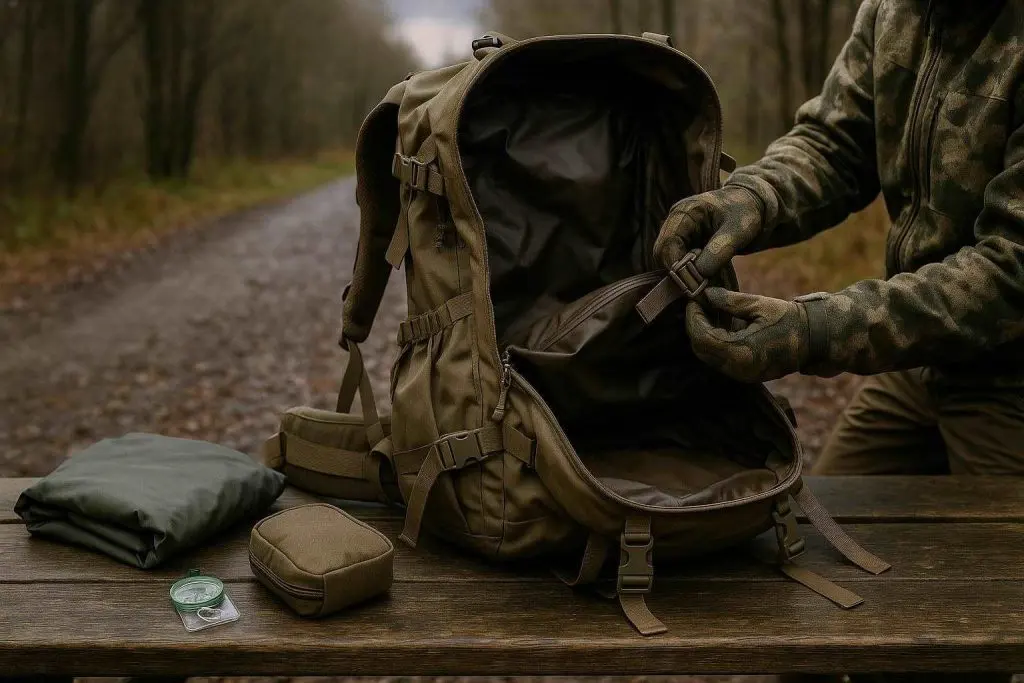
Lay all your gear on a clean surface and divide it into three groups: things you need for safety or to follow the law things that are useful for the conditions you expect and things that are convenient but not essential. The first group should always stay with you even if the path changes. The second group should be chosen based on the conditions. The third group is where extra weight hides.
For each item ask four questions: What problem does it solve? How likely is that problem? What happens if you don't have it? Can something else do the job? A small repair kit can fix a piece of clothing, a broken strap or a damaged shelter. Many gadgets that each fix a problem might not be worth the space they take.
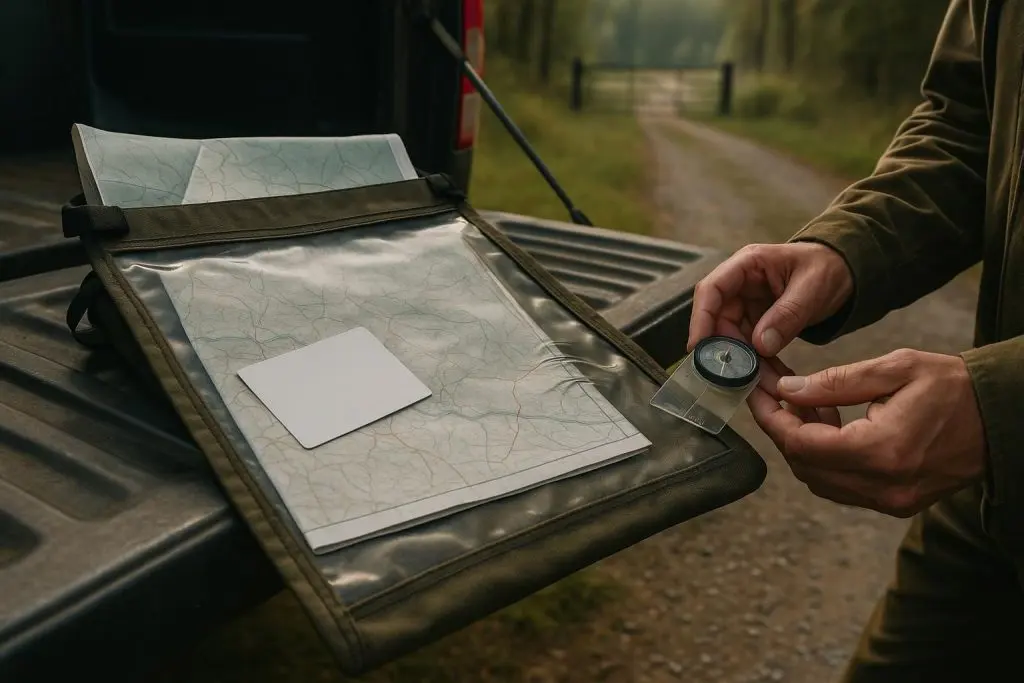
Keep emergency and navigation tools to reach, not buried under food or extra clothes. A phone that is charged a way to find the way a light first-aid items and a way to start a fire should be checked before leaving and kept dry. A phone can be helpful. Battery life, signal and cold can limit it. Don't make one device your only way to find your way or call for help.
Test the small details that stop problems
An audit is more helpful when it includes a quick hands-on check. Look at the straps, buckles, zippers, soles, stitching and elastic parts. Check for flattened insulation cracked waterproofing, batteries, leaking containers and food packaging that is getting weak. Fix or replace anything that is already not working at home, where it is easy to fix.
Put on the pack and walk around with it before the trip. Adjust the belt and the straps check if gear gets stuck on plants and make sure you can reach water, tools for finding the way and weather layers without taking everything out. If a rain coat is packed tight that it takes a long time to get out it is not ready for a sudden rain.
Practice doing actions while wearing gloves or the clothes you plan to use. Can you open the first-aid bag? Can you use a light? Can you get a map. Tell where you are? Knowing how to do these things matters when tired, dark or cold makes it hard to use your hands.
Check the rules before you decide on the path
Legal preparation is part of the check as gear. Rules can change depending on the place the time of year the type of animal the land and how you take it. Look at the information from the wildlife group or the place manager before you go. Make sure you have the papers know the dates what gear is allowed how to tag or report what areas you can enter and any training you need.
Don't use paper notes, posts on social media or advice from last year. Keep the papers you need in the way the official group wants and know how to find the borders of the place and the areas that are closed. If a rule is not clear stop and check with the source instead of assuming it is okay.
Ethical hunting also means deciding about conditions that're legal but not good. Visibility, wind, temperature, the land and the ability to make a clean shot should affect whether you continue. A legal chance is not always an one. Rules can change, so check the official information just before your trip.
Leave the place better than you found it
Conservation happens in choices. Take out all the wrappers, broken tape, batteries and any other trash. Avoid disturbing places that're special, like water, nests or closed areas. Use paths that are already there and don't act like a spot is something you can use and leave behind.
A good final check is short enough to use every time:
– Clothes that keep you match the weather and possible changes.
– Shoes, pack straps and important parts are all in good shape.
– Tools for finding the way, light, communication and first-aid are easy to use and working.
– Water, food and emergency supplies fit the trip and how long you will be away.
– Papers, permissions, dates and rules are checked with the official information.
– The plan has a contact to check in a point to turn back and a way to deal with weather.
– You thought about garbage and how your actions affect the land before you left.
The best gear check often means removing something. It should never take away from being safe. Choose gear that works with the land practice using it before the trip and change your plan when the weather changes. This mix helps you carry less make choices and have a better relationship, with the land.