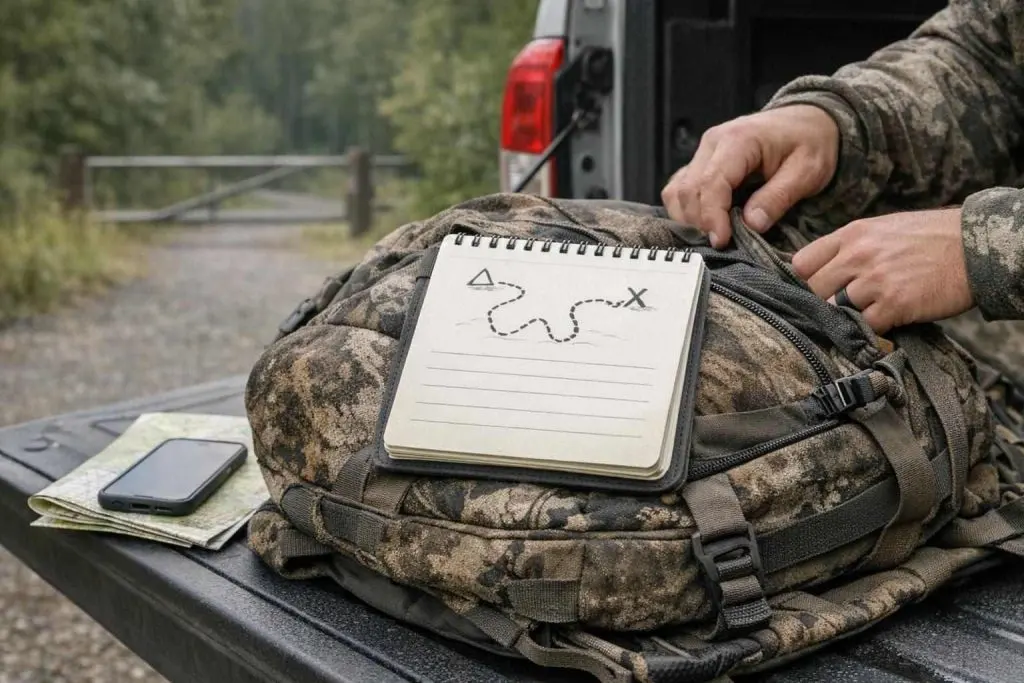
Simply leaving for a short hunt or a solitary search of a piece of property does not constitute adequate notice of your absence for family and friends. Most would be satisfied with knowledge of your presence on the property and return of your vehicle or a message advising of your safe return. With a little planning, you can ensure that one contact, one note, and several simple decisions prior to departure will provide all the necessary information to deal with your absence should it become necessary.
Start with the day you are actually planning
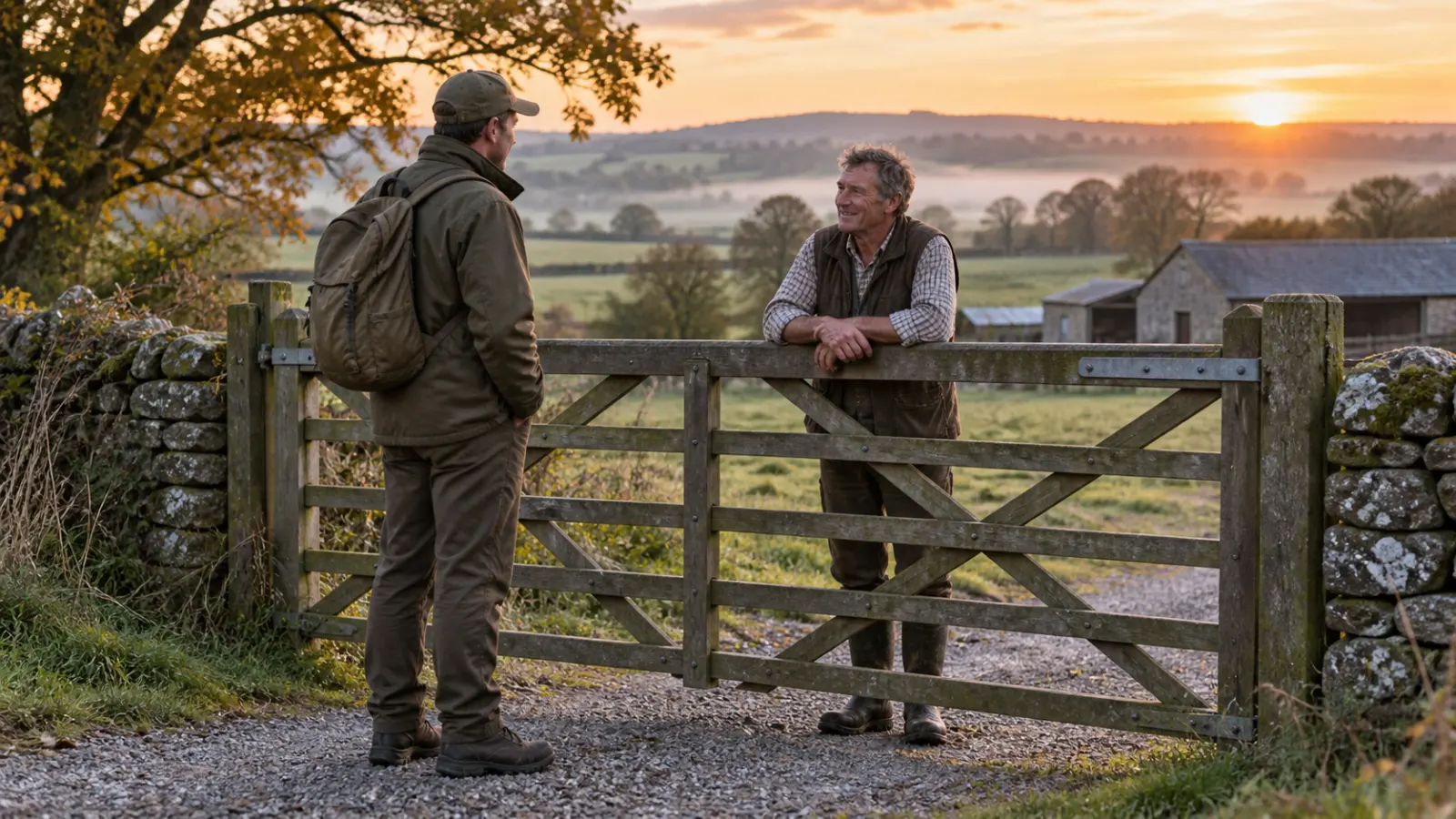
Typical Sit Scenario – One Person Hunting for a Day – Planned Out for a Day – Return Before Dark – Single Vehicle and Driver – Familiar Parcel but the Home Person doesn't know the Property as Well as the Hunter.
So before you head out the door, start with the day you intend to head out on. Clearly lay out the following details for your contacts: the date of your trip, your destination, how you will access your property, and what activities you will be engaging in. Include as much detail as possible in your description of the destination, and be sure to include any landmarks or roads near the property. If for some reason you will be taking a different route than originally stated, let your contacts know as well.
Store this information where your contact can easily find the most current version of it (e.g. in a note on your refrigerator or on a page on the computer you share with your spouse). Preferably, a single message, which can be printed, with all of the required information is best.
Give your contact a useful route picture
You don't have to create a formal survey of your routes but need to write down enough information that the person waiting for you at home will know where to start to look for you when you do not come back in due time. Write down where you park your vehicle, which road or trail you will take to enter the property and whether you will leave this route for your blind, stand, water source or your scouting area.
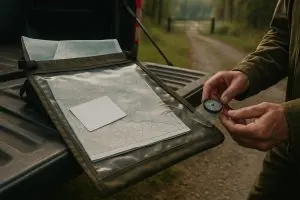
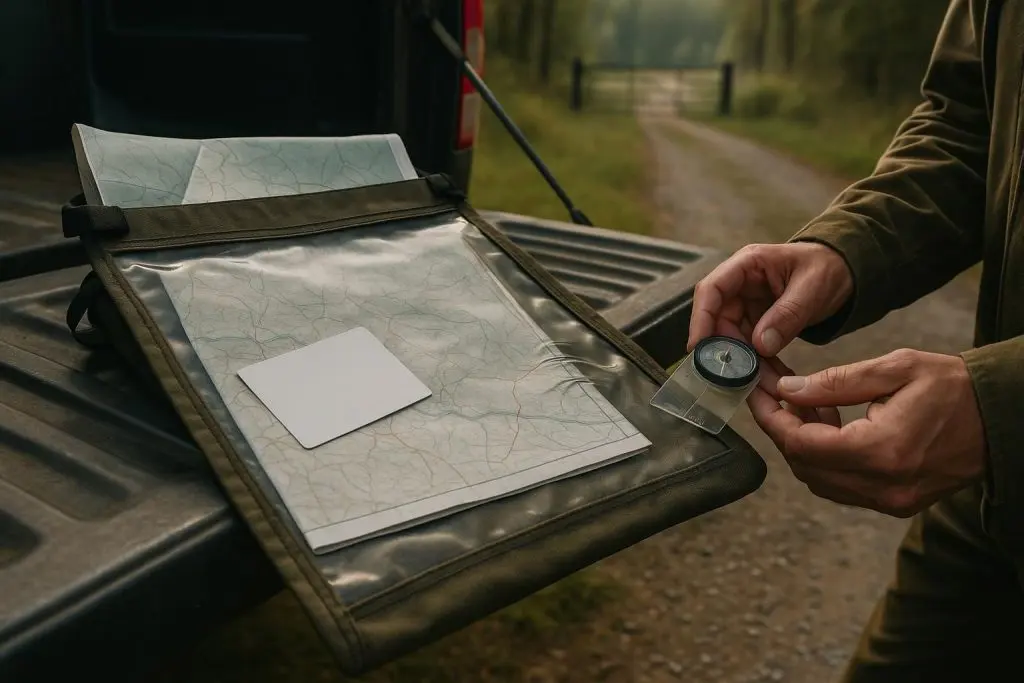
Don't assume that your contacts have the same mapping apps as you. It's also easy to forget to remove pins and maps from phones and that phone batteries go flat. Therefore mark the start point on the map that you carry and take a photo of it to form a digital pin that supports the written description of your route.
Even if you plan to stay on a parcel for only a short time for solo hunting, you should inform others of any possible changes to your destination or time of return. Let others know of any alternatives you might use in case of a serious wind shift, if the access is closed for some reason or if another hunter has already taken up your first choice of hunting area.
Set a check-in that means something
Set check-in times commensurate with the duration of your foray. For short excursions to hunt alone such as a short stroll or a hunt to fill out a taken animal, messages of arrival and return suffice. For longer solo forays it is best to stipulate a time by which you will have checked-in and communicate what alternative means of contact will be utilized should you fail to do so.
A simple check-in time does not constitute a plan for contacting someone in an emergency. In addition to agreeing on a time for checking in for example upon arrival at your destination, define what type of response from you that the contact party should expect within a certain time frame. If you fail to return a message within the agreed time, contact someone else or contact the local emergency services in the area where you went for hunting.
Distinguish between a late check-in and an emergency. Missed messages do not necessarily mean that something has gone wrong. Late return and unknown circumstances are however serious and, in conjunction with a parked vehicle, severe weather, or known medical problems, may warrant a fast response from the contact and local emergency services.
Need to check on hunting and access regulations? Check the current emergency requirements and responses for the location you are planning to go to and make sure your plan doesn't conflict with current rules.
Share the details that help someone help you
List the people that you would like to notify of your trip. Include information on who is going on the trip and what gear they will be wearing. Provide enough information for your emergency contacts to identify your packed trip (including poles) and your hunting gear. Tell them about any medical problems, and list any prescribed medications and any allergies that your contacts should be aware of.
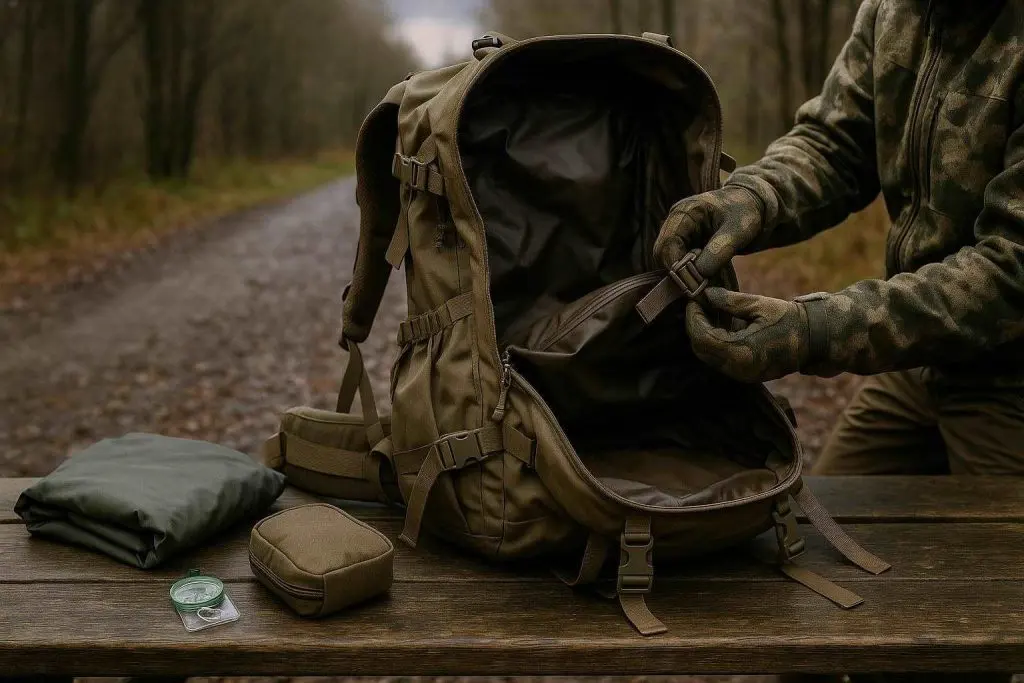
Be sure to list any health problems, medications, and allergies that your contacts should be aware of. Indicate if you have a charged phone, first aid kit, map and compass, water, and/or light with you. Remember that listing this information does not replace you bringing this with you on your hunting trip.
If you know that your phone is likely to only sporadically connect while your in the back country then tell your contact this. Avoid making promises of live tracking, and instead suggest downloading the map for the area you will be hunting in, bringing spare batteries, and also a paper copy of the map in case your phone does run out of power.
Make the plan part of field preparation
It is also important that your emergency contact(s) know that you have left with the correct equipment and that you intend to follow your planned route. Send a final message with the time that you actually depart with, not the time that you had originally intended to leave with.
If you end up going to a different destination than you had originally planned, or end up spending more time in the field than you had anticipated, make sure to send an update to your contact with your revised return time. Similarly, if you end up heading home earlier than anticipated, make sure to send a message indicating that you have returned safely to your vehicle.
Lastly, remind your contacts for hunting safety that they should not venture into unfamiliar or closed-off areas of property in search of you for an extended amount of time. As with any search and rescue effort, an unplanned search could pose more harm than good and create more problems for emergency services than necessary. Their role is to hold all of the information, make the described phone calls, and follow all current guidance for such situations.
Scribing a plan for a solo day in the woods for a single day is not to construct an epic document. Rather it is to note the basic items that you would be noting in any case – location where you will park and leave vehicle, how far you will travel from there, time when you will return, who to contact if you do not return on time.